
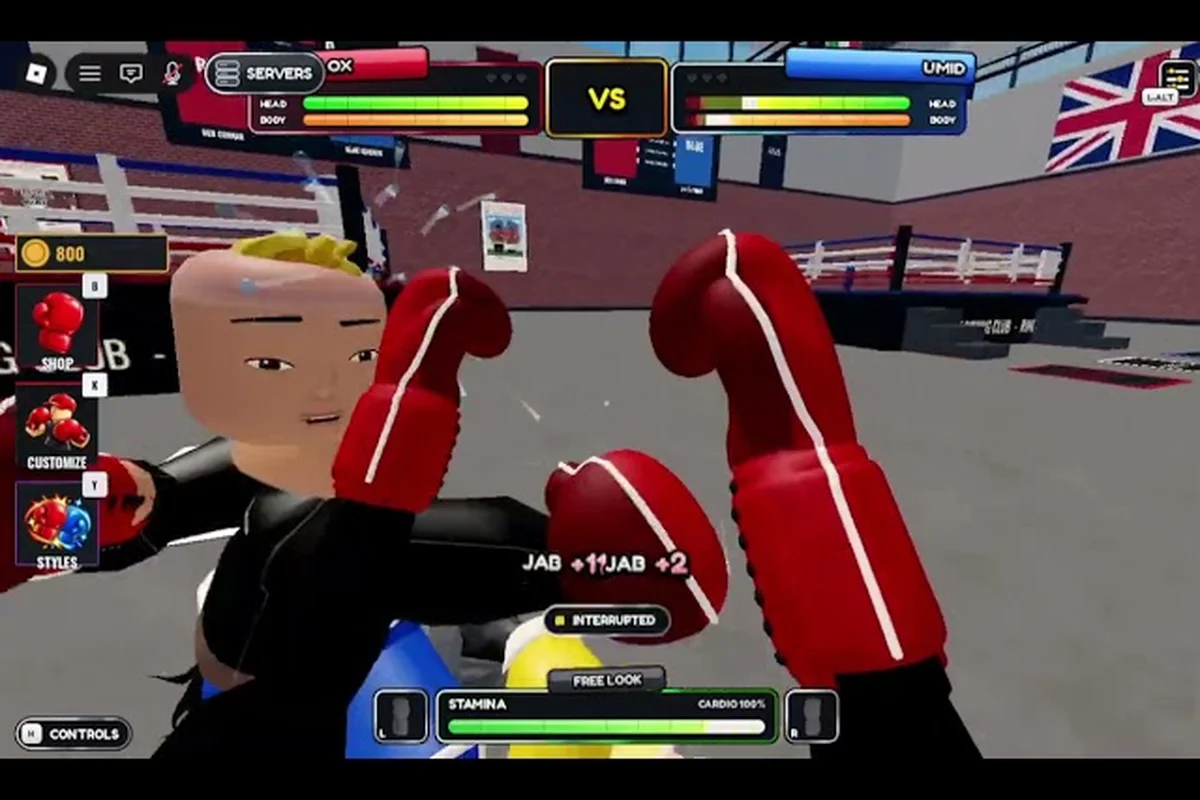
Stepping into First Person Boxing as a brand new player feels unusual because the camera sits right between your gloves, so every shadow, glove movement, and incoming punch is suddenly personal. This first person boxing beginner guide walks you through the stance, the basic jab-cross combo, the stamina and guard system, and the cleanest path to your first knockout so you stop swinging wildly and start fighting on purpose. The game launched on 28 September 2026 and is still being patched, so the fundamentals covered here are the ones the official description itself names: punches, slips, head and body guards, counters, and a stamina pool that punishes reckless swinging.
If you only have a few minutes before your first match, the rest of this page is built so you can jump straight to the section you need. Start with stance and movement, learn the two-punch combo, then read the stamina and guard rules before you queue into anything competitive.
What the Game Actually Gives You on Day One
Before you start drilling combos, it helps to know what First Person Boxing ships with at the time of writing, because the experience is young and the feature set is still narrow on purpose. The Roblox group behind the game is Can You Box?, the experience is rated Mild Violence, and it runs on PC, mobile, and console with servers that hold up to sixteen players per match.
| Feature | Status (as of 2026-10-16) | Notes for a New Player |
|---|---|---|
| Release date | 28 September 2026 | Roughly three weeks old at the time of writing, expect patches. |
| Publisher | Can You Box? (Moonlet) | No official Discord or social channel is verified yet. |
| Platform | PC, Mobile, Console | Voice chat and camera features are not supported. |
| Server size | Up to 16 players | Smaller lobbies mean faster matchmaking for beginners. |
| Visit count | ~742.8K | Healthy but not crowded, so ranks are still soft. |
| Concurrent players | ~2.3K | Plenty of opponents online at peak hours. |
| Favourites | ~6K | A signal that the community is sticking with the game. |
| Like ratio | 10,483 likes / 787 dislikes (~93% positive) | Reception is strongly positive. |
| Age rating | Mild Violence | No graphic content, but punches and knockdowns are cinematic. |
Two play modes are described officially: fighting other players and practicing against AI. The AI practice mode is the safest place to test any of the tips in this guide, because you can fail without losing any standing. If you want a structured walkthrough of your first session, the first steps guide breaks down the order in which you should touch each menu so nothing important gets skipped.
The Five Mechanics the Game Actually Teaches You
The official description only names five combat mechanics, and these are the only ones you can lean on with confidence. Everything beyond this list is community-tested and not officially published, so the rest of this article treats such systems as type-level descriptions rather than fixed numbers.
| Mechanic | What It Does in Plain English |
|---|---|
| Punches | The main way you deal damage; the game gives you punch inputs to throw strikes. |
| Slips | A small head-movement input that lets a punch graze past you instead of landing clean. |
| Guards | Split into head guard and body guard, two separate defensive options. |
| Counters | A reactive input that can produce a knockout when timed to an incoming attack. |
| Stamina pool | A resource that slows you down when it empties, rewarding efficient punching. |
The only monetised items that are verified to exist right now are four game passes: Slot 2 (79 Robux), Slot 3 (129 Robux), Slot 4 (189 Robux), and Skip Spin (79 Robux). None of these are required to learn the game, and you should not spend Robux on them until you can win a few clean rounds without them. If you are playing on a phone or a lower-end PC, the performance and input tips cover the platform-specific adjustments that beginners most often miss.
Stance, Footwork, and the Camera That Lies to You
The single biggest reason new players lose their first matches is bad stance, not bad reflexes. In a first person camera you cannot see your own feet, so the game does not visually reward you for standing correctly, which is exactly why so many beginners freeze in place and swing from the shoulders. A good stance in this game is mostly invisible to you, but very visible to the opponent trying to hit you.
Set Your Base Before You Set Your Punches
A workable beginner stance has three rules you can apply on your very first match. First, keep your weight on the balls of your feet, not your heels, so you can push off in any direction. Second, stand just outside the range where the opponent's jab would land cleanly, because most first-time opponents reach too far. Third, keep your lead hand somewhere between your chin and your opponent's shoulder line, so that even an instinctive swing is closer to a guard than a flail.
The first person camera exaggerates forward motion, which is why walking in feels twice as fast as it actually is. Beginners tend to over-correct by stutter-stepping, which destroys their balance and makes their punches weaker. Instead, take small controlled steps and let the camera settle for a fraction of a second before you throw anything. The few extra frames of stillness are usually the difference between a punch that lands clean and one that gets slipped.
Use the Ring, Don't Back Yourself Into a Corner
Because the camera is locked to your head, the ropes and the ring corners are easy to forget until you back straight into one and eat a free combo. A simple rule of thumb: if you have not seen the rope or apron in the last five seconds, you are probably walking in a circle, and you should pause to re-center yourself.
| Situation | What Beginners Usually Do | What You Should Do Instead |
|---|---|---|
| Opponent backing up | Chase them with a full sprint | Take two controlled steps, then throw a single punch |
| Opponent circling left | Mirror their movement exactly | Step at a 45° angle to cut the ring |
| You're against the ropes | Hold both guards up and wait | Slip once, then counter to create space |
| You're in open ring | Stand still and trade punches | Move laterally after every committed punch |
Distance management is the single highest-leverage skill in first person boxing because the head-locked camera removes peripheral vision of incoming straights, so whoever controls the gap dictates which punches even reach their target. In a single AI practice session, set a rule: throw one committed punch, then take two lateral steps before re-engaging, and you will notice the AI consistently whiffing its counter window. This single habit, layered on top of the ring-cutting table above, is what separates new players from intermediate ones in roughly their first hour of matches.
The Two-Punch Combo That Wins You Your First Clean Round
The biggest mistake a new player makes is trying to learn five-punch strings before they can land a clean two-punch sequence. The game's mechanics are intentionally narrow, and the official description only mentions counter knockouts, so the cleanest path to a win is a tight jab-cross into a counter opportunity. Train this combo in AI practice until it feels boring, then take it into PvP.
The Jab Is Your Range-Finder, Not Your Power Punch
A jab in this game is fast, short, and meant to do three things: confirm that you are in range, distract the opponent for a fraction of a second, and set up the cross. Beginners who treat the jab like a power punch usually gas out before round two, because the stamina pool punishes hard, committed swings. Think of the jab as a sentence you finish with a period: you throw it to end a thought, not to start a war.
When the jab lands, watch the opponent's guard. If the head guard moves up to block it, the body is now exposed. If the body guard drops to absorb it, the head is open for a follow-up. This single read is what makes the difference between a beginner who flails and a beginner who lands the first clean cross of their life.
Cross Behind the Jab, Then Decide
Once the jab has done its job, the cross is your committed power punch. Throw it with a small step forward so your weight is behind it, and keep your head off the centerline while you extend. After the cross, you have a one-second decision window:
-
If the opponent looks hurt, press forward with one more straight punch to look for the knockdown.
-
If the opponent guards high, pump a jab and look for a body punch on the next exchange.
-
If the opponent counters, raise your head guard immediately and reset to the jab.
The jab-cross-read-followup sequence is the spine of every round you will play as a first person boxing beginner, and every coaching tip in this guide — from guard reading to stamina pacing — traces back to how cleanly you execute that two-punch opening and react in the half-second after the cross lands. Most new players lose fights not because their cross lacks power, but because they skip the read step and mash a third straight punch, walking straight into a counter hook that costs them the exchange and most of their stamina. Treat that one-second decision window the way a chess player treats the first three moves: it sets the tempo, it telegraphs your style, and it decides whether the next exchange starts in your range or theirs.
| Combo Step | Input Type | Purpose | Common Beginner Error |
|---|---|---|---|
| Jab | A quick punch input | Range check, distraction, guard read | Throwing it too hard and burning stamina |
| Cross | A committed punch input | Power shot behind the jab | Dropping the lead hand before extending |
| Read | Watch the guard for ~1 second | Decide follow-up | Swinging again before the read |
| Follow-up | Jab, body punch, or reset | Punish the open guard | Walking into a counter while swinging |
If you only drill one thing today, drill this two-punch sequence — the jab-cross-read-followup chain that anchors every round in this first person boxing beginner guide. The reason it deserves a full practice session is mechanical: a clean 1-2 stuns the AI guard for roughly one second, opens a frame window for your body hook or level change, and signals your stance tempo to the opponent's pattern recognition, so every later tip about stamina pacing, head movement, and range control only pays off once that two-punch opening lands with a deliberate read step afterward.
Stamina, Guards, and Why You Suddenly Feel Slow
The stamina pool is the mechanic that flips matches the fastest, and the official description only tells you one thing about it: it slows you down when you get tired. The exact thresholds are not published, so the safest approach is to treat stamina as a budget you spend on every committed action, not as a hidden meter you can ignore.
The Three Actions That Eat Your Stamina
If you want to last three rounds, you need to know which actions are expensive and which are cheap. The exact costs are not published, so the table below uses type-level descriptions drawn from how players describe the system in community reports.
| Action | Stamina Cost (Type-Level) | Why It Matters for Beginners |
|---|---|---|
| Single jab | Low | Safe to throw often, used to control range. |
| Committed power punch | High | Should be reserved for setup shots and counters. |
| Holding guard up | Low to medium | Cheaper than swinging, but holding both guards still drains over time. |
| Sprinting in a straight line | High | The fastest way to gas out before round two. |
| Slipping and counter inputs | Medium | Worth the cost because counters can produce a knockout. |
The practical takeaway is simple: if you feel yourself slowing down mid-round, you have already spent too much stamina, and the next action you take should be a guard reset, not another power punch. Beginners who respect the stamina pool win rounds on their back foot because the opponent runs out of gas first.
Head Guard vs Body Guard: Pick the One That Matches the Attack
Guards in First Person Boxing are split into two separate options, and treating them as a single button is a common beginner mistake. Because the camera is first person, the difference between a head guard and a body guard is mostly about where your gloves sit in space, not about a flashy animation.
A simple rule: if the opponent's fist is high, raise the head guard; if the fist is low, drop into the body guard. Mixing these two up is why many beginners get clipped cleanly even while "blocking." A clean read on the incoming punch height turns defense into a free counter opportunity, and counters are the one mechanic the official description names as a path to a knockout.
If you want a more advanced layer on top of this, the advanced strategy guide goes deeper into counter timing and pressure chains, but the head-vs-body split above is enough to survive your first ten matches.
How to Land Your First Clean Knockout
A clean knockout feels different from a regular round win because the camera sells the moment with a cinematic knockdown and a replay. The official description calls out both of those features specifically, which means the developer wants knockouts to feel rewarding, and they want you to see them clearly. To get one in your first few sessions, you need to combine everything from the previous sections into a single plan.
The Three Knockout Windows Beginners Can Actually Hit
| Knockout Window | How You Set It Up | What to Do When It Opens |
|---|---|---|
| Counter knockout | Wait for the opponent to commit a power punch | Time a counter input to land with their swing |
| Guard-drop knockout | Land a clean jab-cross while their head guard is low | Throw a committed punch to the open target |
| Stamina-break knockout | Force the opponent to swing hard for two rounds | Walk them down with jabs until they slow |
Each of these windows works because the game's counter system rewards clean timing over spam. The counter knockout is the easiest one for a beginner to learn because it asks you to react, not to invent. The stamina-break knockout is the most reliable for new players because you can force it just by managing your own stamina better than the opponent does.
A Beginner Match Plan You Can Run Tonight
If you queue into your next match with no plan, you will probably fall back on panic swings, so here is a simple round-by-round script you can follow. The plan assumes nothing about the opponent except that they are roughly your skill level, which is the most common matchup a beginner will face.
| Round | Goal | Specific Action |
|---|---|---|
| Round 1 | Learn their range | Jab three times, then reset to guard; do not throw power punches yet |
| Round 2 | Land a clean cross | Jab, then cross when their guard moves to answer; watch the stamina bar feel |
| Round 3 | Look for the counter | Hold head guard, slip once, and time a counter input on their committed swing |
| Round 4 (if needed) | Pressure with jabs | Walk them down with light punches, save stamina for the finish |
| Round 5 (if needed) | Reset and repeat | If you are out of stamina, back off and let the opponent swing into your guard |
The reason this plan works is that it lets you learn something every round, even when you are losing. By round three, you should have at least one clean cross on the board, and by round four you are pressuring an opponent who has probably already over-swung. If ranked mode is more your speed, the ranked tips and tricks guide covers how to translate this same plan into a ranked environment, but you do not need to touch ranked until you can win two AI matches in a row without gassing out.
Beginner Mistakes That Keep You Stuck
Most new players plateau at the same handful of mistakes, and most of those mistakes are easy to fix once you can name them. The list below comes from community reports and from the way the five official mechanics interact, so every item on it has a mechanical reason rather than just an opinion.
| Mistake | Why It Costs You the Round | The One-Line Fix |
|---|---|---|
| Swinging at the head every exchange | Opponent slips and counters | Throw one jab to the body to shift the angle |
| Holding both guards at all times | Stamina drains and movement slows | Alternate guards only when the punch type is clear |
| Sprinting forward to close distance | You arrive tired and off-balance | Take two controlled steps, then punch |
| Throwing power punches in round one | You gas out by round three | Spend round one learning range with jabs |
| Ignoring the cinematic knockdown | You lose track of the round count | Use replays to count rounds and check stamina feel |
| Chasing the opponent across the ring | You back into the ropes | Step at a 45° angle to cut the ring |
| Panicking after the first clean hit on you | You swing wild and lose stamina | Reset to guard, breathe, and re-enter with a jab |
If you only fix three of these in your next session, fix the stamina management, the guard selection, and the range-finding jab. Those three changes alone will move you from a beginner who flails to a beginner who controls the pace of the match, which is exactly what this whole first person boxing beginner guide is built to teach.
Turning Practice Into Your First Real Win
Practice mode against AI is the bridge between reading these tips and applying them in PvP, and the official description specifically lists AI sparring as one of the two supported play modes. Use it like a lab, not like a warm-up you skip. A good fifteen-minute practice session before you queue into PvP will save you an hour of getting clipped by counter knockouts.
| Practice Drill | Duration | What You Are Training |
|---|---|---|
| Jab-only rounds against AI | 3 minutes | Range finding and stamina control |
| Jab-cross only, no follow-up | 3 minutes | Combo timing and guard reads |
| Hold guard, slip, counter | 4 minutes | Counter knockouts and defensive timing |
| Move laterally between every punch | 3 minutes | Footwork and ring positioning |
| Full match simulation | 2 minutes | Putting every drill into one round |
Run this circuit twice in a row and you will notice the difference immediately in PvP. Your stamina will feel higher in round three, your head guard will be in the right place more often, and the cinematic replays will start showing your clean shots instead of the opponent's. For a broader set of fight tips that go beyond pure beginner level, the 2026 fight tips guide collects the kind of small adjustments experienced players make when they want to push past the beginner plateau.
How This Guide Fits Into the Bigger Picture
This page is the entry point of the wider guide cluster, and each section above maps to a deeper resource if you want to keep learning. The first person boxing how to play loop is small on purpose: stance, two-punch combo, stamina management, guard selection, and a counter when the opponent over-commits. Once you can run that loop without thinking, every other tip in the game, including ranked play and advanced counter chains, becomes easier to learn because your fundamentals are no longer leaking points.
| Your Current Level | Next Step in the Guide Cluster |
|---|---|
| Brand new, never won a round | Run the practice circuit, then re-read the match plan section |
| Winning AI matches, losing PvP | Drill counter timing in practice, then try sparring again |
| Winning sparring, scared of ranked | Read the ranked tips guide and queue with a friend if possible |
| Winning ranked, want to refine | Move to the advanced strategy guide for counter and pressure chains |
The game is young, the developer is patching often, and the only verified monetised items are the four game passes listed earlier, so resist the urge to spend Robux before your fundamentals are solid. The first person boxing beginner guide works because the mechanics are narrow, the camera is honest about what you are doing wrong, and the stamina pool punishes bad habits faster than any opponent ever could. Master the jab, respect the stamina, pick the right guard, and your first clean knockout will show up in a replay before the week is out.
Frequently Asked Questions
What is the fastest way to win my first match in First Person Boxing?
Spend the first round only throwing jabs to learn the opponent's range, then land a clean jab-cross in round two while watching their guard. Save your stamina for a counter input in round three, because counters are one of the official paths to a knockout. If you reach round four still unsure, walk them down with light jabs and let their stamina break first.
Should I buy Slot 2, Slot 3, Slot 4, or Skip Spin as a new player?
No. The four game passes are convenience items, not power items, and none of them are required to win. Spend your first week learning stance, the jab-cross combo, and stamina management in AI practice before you spend any Robux. Once you can win two AI matches in a row without gassing out, then consider whether a slot or a spin skip is worth it for your playstyle.
How do I practice counters without getting knocked out in the process?
Set the AI to a comfortable difficulty and spend four-minute rounds doing only this: hold head guard, wait for the AI to commit a power punch, slip once, and time your counter input on the swing. Repeat until the counter lands cleanly on most attempts, because counters are the fastest verified path to a cinematic knockout. The AI will not judge you for losing the first twenty attempts, which is exactly why practice mode exists.
Is ranked mode harder than sparring for a beginner?
Ranked mode is described officially as a separate event called RANKED + BUG FIX! with a New ranked mode subtitle, and most beginners report that the matchmaking is tighter than sparring. Stay in sparring and AI practice until you can win at least two PvP rounds in a row without relying on panic swings. Once you do queue into ranked, treat your first few matches as a paid practice session and focus on reads rather than wins.
Why do I suddenly feel slow mid-round even when I am not tired?
You are spending stamina faster than you think, and the official description confirms that a stamina pool slows you down when it empties. The most common stamina sinks for beginners are sprinting in straight lines, throwing committed power punches too early, and holding both guards up at the same time. Switch to a jab-only rhythm, drop one guard, and stop sprinting, and your speed should return within a round.