
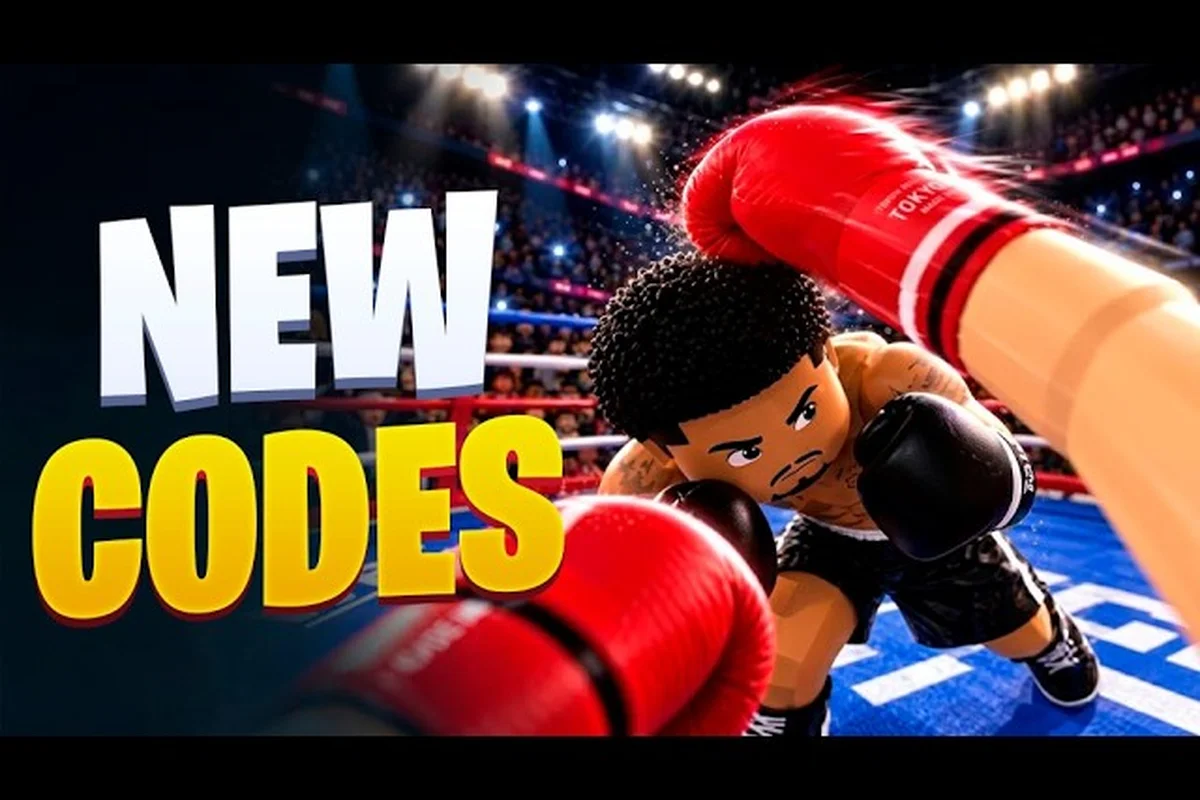
Walking into the squared circle in First Person Boxing feels disorienting at first, because the camera sits behind your gloves and every punch lands from your own eye line. That single design choice is exactly why a dedicated ring guide matters: the fights are decided by the small things — your stance, your range, and how you spend stamina — and the player who masters those usually walks out with the knockout.
The First Person Boxing Ring Layout and Why It Shapes Every Exchange
The ring in this game is not a sprawling open arena. It is a tight, well-defined space with ropes on all sides, and that shape forces a specific kind of fight. Because the camera is locked to a first-person viewpoint, depth perception becomes the most important visual skill you can train, and the rope line becomes both a safety net and a hazard depending on how you use it.
Rope Awareness and Center Control
Holding the center of the ring is the most consistent source of advantage in any 1v1 match. From center, you can step in any direction with equal speed, which means your opponent can never predict whether you will press forward, circle left, or circle right. From the ropes, your options shrink because stepping back puts you against the boundary, and a good opponent will use that limited mobility to chain body shots into a head shot for a potential knockout.
| Ring Position | Mobility | Risk Level | Tactical Use |
|---|---|---|---|
| Center | Full 360° | Low | Press offense, pivot after misses |
| Rope Line (your back) | Reduced backward | High | Punish opponents who overcommit |
| Corner (your back) | Severely limited | Very High | Recover with a guard, then slip out |
| Rope Line (opponent) | Their mobility limited | Your advantage | Walk them down with body shots |
Sizing Up the Camera and Depth
The first-person camera gives you a true sense of how far away your opponent is, but only if you learn to read the visual cues. When your opponent's gloves fill a large portion of the screen, you are inside their range and a committed punch will land before you can react. When their gloves look small and you can see their torso clearly, you are outside range and your own punches will whiff unless you close the distance with a step. The mental calibration of that distance is the single biggest separator between new players and experienced ones.
Core Mechanics That Decide a 1v1 Match
First Person Boxing names five core mechanics on its official store page: punches, slips, guards split into head guard and body guard, counters that can produce a knockout, and a stamina pool that slows you down when it empties. Every match in the ring comes down to how you choose among these tools, and how you chain them together.
Ring Guide Errors Worth Fixing
A punch input is your primary weapon, and it is the only way to reduce your opponent's health toward a knockdown. Slips are small sidesteps that let a punch sail past your head, and they are best used just as your opponent commits to a swing, not before. Guards come in two forms — a head guard for high punches and a body guard for low punches — and the split matters because trying to absorb a head shot with a body guard, or vice versa, will not protect you. The simple rule is to read the visual height of the incoming swing, then raise the matching guard.
| Defensive Tool | Beats | Cost | Best Moment |
|---|---|---|---|
| Head Guard | High punches | Stamina per block | When opponent telegraphs upward |
| Body Guard | Low punches | Stamina per block | When opponent drops their shoulder |
| Slip (left/right) | Any committed punch | No stamina, risks counter | When opponent overcommits |
| Counter | Any missed punch | Stamina + positioning | Right after a successful slip |
Stamina, Counters, and the Knockout Window
Stamina is the hidden clock of every round. According to the official description, this game uses a stamina pool that slows you down when it runs low, and that slowdown is brutal because a tired player cannot slip, cannot guard properly, and cannot throw fast punch combinations. The counter mechanic exists as a reward for good defense: when you slip a punch and your opponent's swing misses, a well-timed counter input can produce a knockout on the spot. The specifics of damage values and stamina costs are not published, so the safest approach is to treat stamina as a budget and never throw more than two or three heavy swings in a row.
Footwork and Range Control in the Ring
Footwork is the part of First Person Boxing that most new players ignore, and it is also the part that most experienced players credit when describing how they win. Because the camera is first-person, you cannot see your own feet, so the only feedback you get is how quickly your avatar covers distance and how stable you feel when throwing. That feedback loop is the entire game, and learning to read it is what turns a beginner into a threat.
Closing the Distance Without Overcommitting
The most common mistake in a 1v1 match is rushing forward to throw a punch, because the moment you commit to a forward sprint, your opponent can read it and slip or counter. The reliable pattern is to take one small step forward, pause to see how your opponent reacts, and only then throw your punch. This three-beat pattern — step, read, strike — is what experienced players use, and it works because it gives you a chance to cancel into a guard if your opponent answers with their own swing.
| Range State | Visual Cue | Recommended Action |
|---|---|---|
| Outside range | Opponent's torso fully visible | One step forward, then read |
| Edge of range | Gloves take up middle of screen | Single committed punch |
| Inside range | Gloves fill most of screen | Body shot, then reset |
| Too close | Camera clips into opponent | Guard up, slip out, reset |
Pivoting Off the Ropes
The ropes change the geometry of every exchange. If your opponent has their back to the ropes, they cannot retreat, so your job is to walk them down and cut off the ring. If your back is to the ropes, your job is the opposite: throw a guard to absorb one incoming punch, then slip to one side to escape the corner before resuming center control. Players who can read which side of the rope geometry they are on tend to win exchanges even when their raw punch timing is not the best in the match. For a deeper look at the different ways matches can be set up — including AI practice and the official RANKED + BUG FIX! event — the First Person Boxing match settings breakdown covers the rules behind each mode.
Reading Your Opponent and Winning the Mental Game
A First Person Boxing match is also a conversation between two players, and the player who listens harder usually wins. Every habit your opponent shows — whether they throw body shots after a missed head punch, whether they always slip left after a guard, whether they panic-swing when their stamina gets low — is a piece of information you can use to predict the next swing.
Common Patterns to Look For
According to community data, most players in 1v1 matches fall into predictable rhythms, and recognizing those rhythms is half the battle. Some opponents always lead with the same hand, which means a single slip direction will read every opening punch. Other opponents are stamina-phobic and will hold a guard the moment they feel their pool drop, which means pumping a half-committed jab and pulling it back before throwing the opposite height is a reliable way to land clean.
| Opponent Habit | Tell | Counter |
|---|---|---|
| Always leads same hand | Shoulder dips on the same side first | Slip that direction, then counter |
| Spams body shots after losing stamina | Telegraphed shoulder drop | Head guard, then head counter |
| Holds permanent guard when tired | No footwork, static stance | Pump a jab, then change level |
| Panics near the ropes | Wild swings, no reset | One step back, let them swing, counter |
The Stamina Read
The stamina pool changes the way a fight looks in the second half of a round. A player who has spent most of their stamina on big swings will visibly slow down, and their guards will start to fail because holding a guard costs stamina every time it absorbs a hit. Reading that moment is the difference between winning in the first minute and winning in the last thirty seconds. The simplest stamina read is to count your own committed actions, because your opponent has been spending stamina at roughly the same rate, and once you have thrown about the same number of heavy punches, you can assume they are running low. New players often struggle with the very first round of nerves, and the First Person Boxing first match walkthrough covers the calmer fundamentals that make those opening exchanges feel less chaotic.
Turning the Reads Into a Round Plan
The fastest way to internalize everything above is to treat every round as three phases: the read, the press, and the finish. The read phase is the opening ten seconds where you and your opponent are still feeling each other out, and it is when you should be looking for the tells listed above. The press phase is when you have found a habit you can exploit, and it is when you start walking your opponent toward the ropes and chaining body shots into head shots. The finish phase is when their stamina is low and their guard is failing, and it is when your counter becomes a knockout threat.
| Phase | Duration (rough) | Goal | Tools to Use |
|---|---|---|---|
| Read | First 10 seconds | Find a tell | Slips, single jabs, footwork |
| Press | Middle of round | Walk opponent to ropes | Body shots, guard reads, pivot |
| Finish | Last 15–20 seconds | Land a clean counter | Counter input, level changes, stamina reads |
Pre-Round Checklist
Before you queue into a 1v1 match, run through this short mental checklist so you are not learning the basics in the middle of a round. It is the same checklist that experienced players in the community describe, and it is the one that consistently shows up in reports from players who climb the casual ladder.
-
Center the ring at the start of the round
-
Watch your opponent's lead shoulder for the first tell
-
Spend stamina in pairs, never in long combos
-
Keep one guard ready whenever you are inside range
-
Reset to center after every successful exchange
Adapting When the Plan Breaks
No plan survives the first clean hit to the jaw, and that is fine. The point of a round plan is to give you a default rhythm, not a rigid script. If your opponent reads your body shots and starts answering with head shots, the correct adjustment is to lower your level and pump a head-height jab first, then drop into a body shot once their head guard goes up. If they start countering every time you slip, the correct adjustment is to throw a committed punch into their guard and use the absorbed hit to close the final step of distance. The game rewards players who adapt inside the round, not players who memorize a single sequence. For a broader look at how to improve across multiple matches — including how to chain rounds together without burning out — the First Person Boxing 2026 improvement guide is a solid next read.
Frequently Asked Questions
How do I throw my first clean punch in the ring?
Stand at the center, take one small step forward, and tap the punch input only when your opponent's gloves fill the middle of the screen. The single step is what closes the gap, and the screen-size check is what keeps you from throwing at empty air. Repeat this for a few rounds and the timing will become muscle memory.
What is the safest way to fight when my stamina is low?
Drop your offense to a single tap per exchange, hold a guard whenever you are inside range, and pivot off the ropes rather than sprinting. According to the official description, a low stamina pool slows you down, so your best move is to be predictable and defensive until the round resets.
How do counters lead to a knockout in First Person Boxing?
The official store page describes counters as the mechanic that can produce a knockout, and they work best right after a successful slip. When your opponent commits to a swing and misses because you slipped, the counter input lands while they are still recovering, and that timing is the main path to a clean knockdown.
Is the ring the same in every match mode?
The ring itself does not change, but the rules around it do. Practice against AI and 1v1 against other players both use the same squared circle, while larger servers up to 16 players run a different format. The First Person Boxing multiplayer setup guide covers the differences in more detail.
Does ranked mode change how I should play the ring?
Ranked mode exists as a confirmed official event titled RANKED + BUG FIX!, but no public detail has been published about how ranks, tiers, or seasons work. Treat the ring itself the same way you would in any 1v1 match and let the ladder sort itself out over time.