
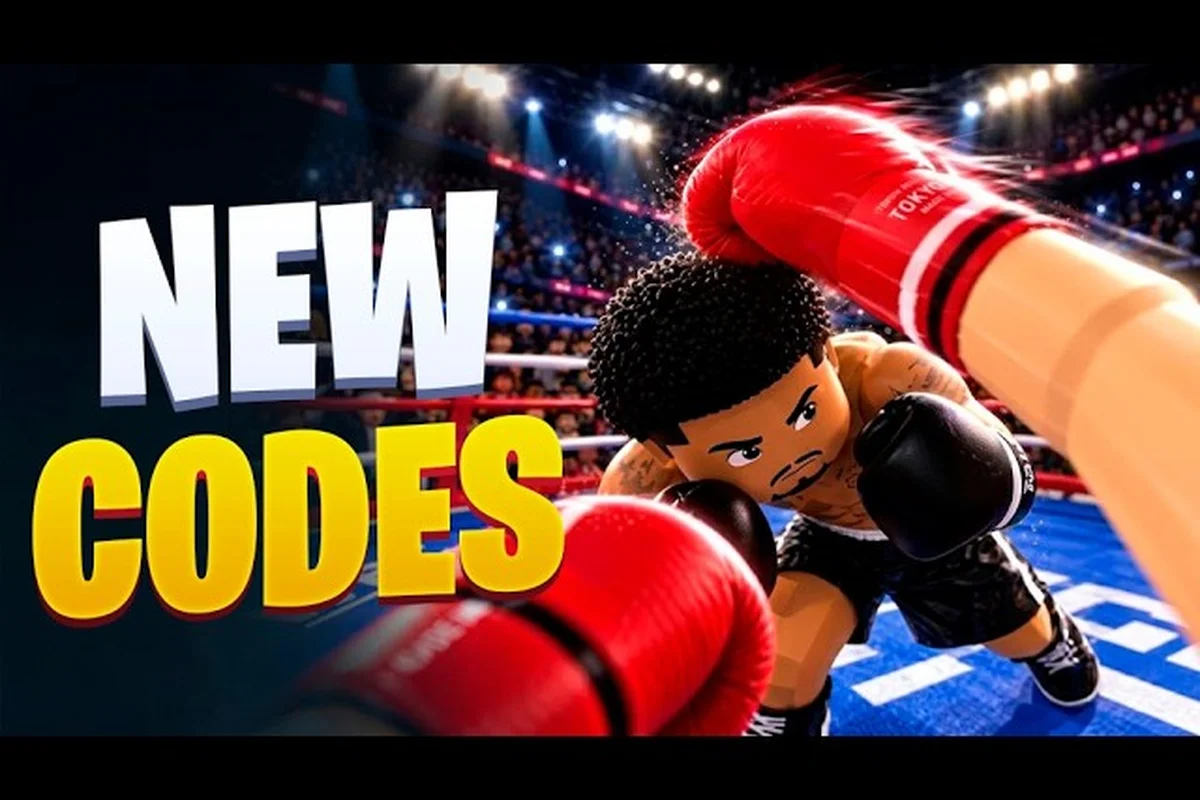
The first-person view in First Person Boxing changes everything about how you learn the sweet science, because every jab, slip, and guard is something you throw from behind your own eyes. The training mode is the lowest-pressure way to build that muscle memory before you queue into a real match, and the official First Person Boxing experience page names practice against AI as one of the two ways to step into the ring. This guide explains how the First Person Boxing training mode works, what you can drill in it, and how it slots into the wider game-mode picture so that the time you spend grinding bots pays off the moment you load into a PvP server.
What the Training Mode Actually Is
Training mode in First Person Boxing is the AI sparring option that ships alongside player-versus-player as one of the two core ways to fight. The official description puts it plainly: you can fight other players or practice against AI, which means the training mode is not a separate mini-game tucked behind a paywall, it is a first-class entry point in the mode list. The servers still cap at 16 players, so even when you load into a session full of PvPers, the AI lane is open as long as the match type you pick supports it.
What makes the First Person Boxing training mode worth your time is the same thing that makes any good drill worth your time: repeatable reads without consequence. You can throw the same punch input against the same AI behaviour, watch how the bot reacts, and adjust your guard or your footwork on the next rep. Because every mechanic in the game is player-controlled (punches, slips, counters, guards, stamina management), the training mode is essentially a sandbox for the full tool kit, not a watered-down tutorial.
The official text also calls out five mechanics that you can drill against the AI: punches, slips, guards split into head and body, counters that can produce a knockout, and a stamina pool that slows you when it empties. The training mode lets you experiment with all five without burning ranked points or feeding wins to a friend who is just trying to learn the controls, which is why most new players start here before they ever look at the ranked mode page or queue into a live server.
How Training Mode Fits the Wider Mode List
The game ships three confirmed ways to play, and the training mode is the lowest-stakes of the three. The two ways named in the official description are PvP and AI practice, and the official event page confirms that a ranked mode exists alongside them. Training mode does not feed into any of the other two in a mechanical sense (no confirmed progression carry-over, no published reward pipeline), but it is the natural warm-up lane you should treat as a prerequisite.
| Mode | Opponent | Confirmed Stakes | Best For |
|---|---|---|---|
| AI Practice (Training) | Bot | None published, low pressure | Learning inputs, reading reactions, stamina drills |
| Player vs Player | Other human players | Community-reported match pressure, variable stamina races | Testing reads, live timing practice |
| Ranked Mode | Other human players | Confirmed to exist, rating detail unpublished | Putting polished reads under stress |
The training mode also shares the same five mechanics and the same first-person view as PvP, so any habit you build in the bot lane transfers directly. There is no confirmed alternate physics or simplified stamina curve for AI fights, so what you see is what you will get when you queue into a real match.
What the Training Mode Is Not
It is worth being precise about what the training mode is not, because a lot of community chatter blurs the lines. It is not a ranked queue, it is not a free-for-all lobby, it is not a private server tool, and the developer has not published a custom match creator that lets you spawn a bot on demand with a specific difficulty setting. Anything you read about "AI difficulty levels," "tier 1 / tier 2 bots," or a "training mode reward track" is community interpretation, not an official feature.
There is also no confirmed offline mode for First Person Boxing, which means even the training mode requires a live Roblox session. You will not get a single-player sandbox that runs on a local server while you study your replays, you will still see the stamina pool mechanic, you will still go through the cinematic knockdown animation, and you will still be in a session that other Roblox players can theoretically join if the server type allows it.
What You Can Drill in the Training Mode
The training mode is essentially a permission slip to throw every input the game gives you against an opponent who does not tilt, does not report, and does not queue-snipe you next round. The five mechanics the official description names are the five things you can drill, and the table below is a quick map of what each drill looks like in practice.
| Mechanic | What You Drill | How the AI Reacts | Real-Fight Payoff |
|---|---|---|---|
| Punches | Jab, cross, hook timing, sequencing | Bot blocks, slips, or counters based on its own internal logic | Builds a reliable rhythm you can trust under stamina pressure |
| Slips | Slipping in response to a bot punch | Punishes you if you slip into a follow-up you did not read | Trains head movement so it becomes automatic |
| Guards (Head & Body) | Holding the right guard against the right attack | Forces you to recognise attack height quickly | Keeps your stamina from leaking in long exchanges |
| Counters | Landing a counter as the bot commits | The bot can drop if the counter lands cleanly, producing a cinematic knockout | Biggest single damage event in the game, worth repping |
| Stamina | Sprinting, holding guard, throwing volume | Your movement slows when the stamina pool empties | Forces honest punch selection in late rounds |
Notice that nothing in that table is invented; every row is just a training translation of the five mechanics named in the official text. The training mode is what turns those mechanics from words on a store page into inputs your hands know how to throw.
The Punch Drill Block
The single most useful thing the training mode does is let you throw volume. Real PvP punishers are a finite resource, so the training mode is the place where you chain a hundred jabs against a bot guard and learn the rhythm of when the AI lets you in. You can test your punch selection against a bot that is mostly defending, then against a bot that is mostly pressing, and you will see very different windows.
A clean punch drill in the training mode is roughly three to five minutes of pure offence, with no goal other than to land clean and feel the timing. The official page does not publish any stamina curve, hit-rate, or recovery window, so the right way to measure progress is qualitative: do you land the punch you are trying to land at the cadence you planned, and does the bot's behaviour give you a clear read?
The Slip and Counter Drill Block
Slipping in First Person Boxing is a reactive input, and the only way to train a reactive input is against an opponent who actually punches you. The bot does exactly that, which is why this drill lives in the training mode and not on the main menu. You can hold your ground and slip incoming punches, then look for the counter window, and the bot will reward a clean counter with the cinematic knockdown animation the official page calls out.
The counter is the most rewarding single event in the game, because the official description says counters can produce a knockout. That means drilling the counter in the training mode is not just a feel-good exercise, it is the highest-value habit you can take into a PvP match. The bot does not have feelings about a counter knockout, so you can throw the same counter ten times in a row and watch how the AI responds before you ever queue against a human.
The Guard and Stamina Drill Block
Guards in the game split into head and body, and the bot is the cheapest way to learn which attack height to guard against. The training mode gives you a non-judgmental opponent who will target both zones, and the official description is clear that getting tired slows you down. That is the only published stamina behaviour, and it is the entire reason a guard drill in the training mode matters: a tired fighter who is also holding the wrong guard is the most common way real matches slip away.
A useful stamina drill is to throw at full volume for a round, let the stamina pool drain, and then try to throw a clean counter while tired. The slow-down is the lesson; the bot is the teacher; the training mode is the classroom.
The Queue and Party Side of the Training Mode
The training mode is also where the First Person Boxing queue system, the First Person Boxing party system, and the First Person Boxing how to join friends workflow become easy to understand, because the bot lane is the lowest-cost place to test all three. The official page does not publish a party size cap, an invite button name, or a queue timer, so the section below is a type-level description of how the join flow works in Roblox experiences, not a fabricated button map.
| Flow Step | What Happens | Training Mode Behaviour | PvP Behaviour |
|---|---|---|---|
| Search a server | Roblox places you in a session up to 16 players | Lands you in a server with bots and other AI sparrers | Lands you in a server with other live players |
| Join a friend | Roblox supports standard join-a-friend actions | Lets you spar alongside a friend against the same bot | Lets you fight a friend or team up in a live server |
| Queue for a mode | The mode-select screen picks PvP, ranked, or AI practice | Shortest match commitment, easiest to test queueing | Longer match commitment, stamina stakes real |
| Leave and rejoin | Leaving a bot match is low-cost | Easy to practise without losing a real session | Same steps carry into a live session |
Joining a Friend in the Training Mode
If you want to learn how to first person boxing how to join friends, the training mode is the safest testing ground. The official page does not publish a party system UI or a friend-invite button name, but Roblox itself supports standard join flows, and the training mode is the lowest-risk place to test them. You can have a friend join the same bot match, you can leave and rejoin, and you can see whether the server preserves your slot or sends you to a different instance.
The training mode also makes the first person boxing party system easy to debug, because the match length is short and the cost of a bad queue is zero. If a friend cannot join you, you can leave the training mode and re-enter without burning a ranked attempt or a PvP lobby. That low cost is the single best argument for using the training mode as a queue-testing ground before you bring a party into a live server.
Spectating From the Training Mode
The first person boxing spectate mode is not a published feature of the training mode itself, but Roblox supports spectating live servers, and the first person boxing how to spectate workflow is easiest to test when you are not in the middle of a tense PvP match. You can load a training match, experiment with leaving a match mid-round, and watch how the spectate path behaves before you need it in a live game.
It is worth noting that the official page names no spectate-specific features for the training mode, no replay scrubber, no slow-mo control, and no saved-clip system. If you are looking for detailed replay tools, the only confirmed feature is the cinematic knockdown animation the description calls out, and the only confirmed way to see it again is to land another counter in the training mode.
How the Training Mode Compares to Other Modes
The training mode is the lowest-stakes mode in the game, and that single fact drives almost every comparison. The table below lines the training mode up against the two other confirmed modes on the axes a new player actually cares about.
| Axis | AI Practice (Training) | Player vs Player | Ranked Mode |
|---|---|---|---|
| Pressure | Low, you can throw volume and reset | Variable, depends on opponent | High, confirmed by event page |
| Stakes | None published | Community-reported bragging rights | Confirmed to exist, detail unpublished |
| Best Use Case | Input drilling, queue testing, party testing | Live timing practice | Putting polished reads under stress |
| Server Fill | May run with bots and a few sparrers | Server cap of 16 players | Server cap of 16 players |
| Reward Pipeline | None published | None published | Confirmed existence, no reward details published |
| Risk of Burned Stamina | Low, you control the pace | Medium, opponent controls pace | High, every rep counts |
Where the Training Mode Wins
The training mode wins on three things that the other two modes cannot match: pace, repeatability, and zero downside. You can re-enter the same drill ten times in a row, you can leave mid-round without ruining a queue, and you can experiment with the five named mechanics without ever facing a human. For a new player still learning the controls, that combination is what makes the mode a genuine training tool rather than a checkbox on the mode list.
The training mode is also the best place to learn how the first person boxing queue system actually feels. You can test how long it takes to land in a server, how often you bounce between instances, and how the experience feels when the server is filling up around you. None of that is published, but the training mode is the cheapest way to find out.
Where the Training Mode Loses
The training mode loses on everything that makes live boxing exciting. The bot does not feint the way a human does, the bot does not adapt its stamina management based on your habits, and the bot does not punish a sloppy read with a counter knockout that ends the match. The training mode cannot teach you how to handle a human opponent who has seen your habits three times in a row, and that is the single biggest gap between sparring and PvP.
There is also no confirmed carry-over from training mode into ranked or PvP. The official event page does not publish any warm-up bonus, no training-mode reward, and no progression that travels between modes, so the training mode's payoff is purely skill-based. That is fine for a drill, but it is worth knowing that the time you spend in the training mode is investment, not grinding.
Building a Training Mode Routine That Actually Works
A training mode routine is just a plan for how you will spend your reps against the AI. The official page does not publish any recommended drill block, so the routine below is a type-level structure that any new player can adapt. The goal is not to follow it perfectly but to give you a starting shape so your training mode time has a point.
| Drill Block | Length | Focus | What You Are Training |
|---|---|---|---|
| Warm-Up | 1-2 minutes | Loosen inputs, find the first-person feel | Camera, basic punch timing |
| Punch Volume | 3-5 minutes | Throw combinations at the bot | Punch selection, jab rhythm |
| Guard Reads | 3-5 minutes | Hold head and body guard against the bot | Recognising attack height |
| Slip and Counter | 5-7 minutes | Slip the bot punch, land the counter | Reactive timing, counter knockouts |
| Stamina Honest Test | 2-3 minutes | Throw until tired, then try a clean counter | Late-round punch selection |
| Queue Test | 1-2 minutes | Leave and rejoin, test friend join | First person boxing queue system familiarity |
The Warm-Up Block
A warm-up block is a permission slip to be bad at the game. You are not training anything specific, you are reminding your hands which input is a punch, which is a slip, and which is a guard. The training mode is the safest place to do this because the bot is not going to punish a sloppy first rep.
The first-person view is the thing most new players underestimate. A first-person view changes your depth perception, it changes how you read the bot's distance, and it changes how your guard feels. A warm-up block of one to two minutes in the training mode is enough to get your eyes calibrated before you start drilling real reads.
The Punch Volume Block
The punch volume block is the single highest-volume drill in the routine. The goal is to throw as many clean punches as you can, in different rhythms, against a bot that mostly defends. The training mode is the only place in the game where throwing a hundred punches in two minutes is a reasonable use of your time, because the cost of a missed punch is zero and the cost of a clean punch is the read you just banked.
It is worth using this block to test the five mechanics together. Throw a punch, hold a guard, slip the next bot input, and counter if the window opens. The training mode is the cheapest place in the game to do this kind of full-mechanic loop, and it is what you will actually be doing in a real match.
The Slip and Counter Block
The slip and counter block is the highest-value block in the routine, because the counter is the biggest single damage event in the game. The official description says counters can produce a knockout, and the cinematic knockdown animation is one of the confirmed features, so this is the block where the training mode's payoff is most obvious.
You are not trying to land a counter every rep. You are trying to teach your hands the timing so that when a real opponent commits to a punch, your counter input is already loaded. The training mode is the safest place to drill that timing, because the bot will give you the same read over and over, and you can refine your slip until the counter window is automatic.
The Stamina Honest Test Block
The stamina honest test is the block that most new players skip, and it is the one that pays off the most in late rounds. The official text is clear: getting tired slows you down, and that is the only published stamina behaviour. The training mode lets you drain the stamina pool on purpose, then try to throw a clean punch, and you will feel exactly what the slowdown does to your timing.
The honest part of the test is that you do not get to reset the stamina between reps. You throw until you are tired, then you try the next rep at the same tired level, and you see what still works. That is the read you take into PvP, because real opponents will not give you a clean stamina bar in round three.
The Queue Test Block
The queue test block is the most underrated part of the routine. The training mode is the cheapest place to rehearse joining and leaving a server, which is most of what the first person boxing how to join friends flow asks of you. You can leave a match, rejoin, bring a friend in, and see how the server holds up, all without burning a real fight.
This block is also where the joining-a-friend flow gets easier to understand. The developer does not document a spectate button for this game, so nothing about watching another player can be treated as a confirmed feature. The low-stakes test worth doing here is simpler: leave a bot match, rejoin, and see how the server count responds, so the same steps feel familiar when you try them with a friend in a live session. If you want the confirmed joining basics first, the multiplayer guide covers what the server cap actually allows.
When to Leave the Training Mode and Queue for PvP
The training mode is the warm-up, not the destination. The right time to leave the training mode and queue for PvP is when the five named mechanics feel automatic: you can throw a punch without thinking about the input, you can hold the right guard without fumbling the height, you can slip a committed bot punch, you can land a counter when the window opens, and you can manage your stamina through a full round. None of those is a published metric; they are type-level signs that the training mode has done its job.
A useful test is to load a live PvP server with a friend and see whether the training mode habits transfer. If your friend can read your timing before you throw it, you are ready. If your friend can out-pace your stamina management in a live match, you have a clear next drill. The training mode is the place to find that next drill cheaply, and the cycle of training, testing, and returning to the training mode is what most successful players describe in community reports.
It is also worth knowing when to skip the training mode entirely. If you are queuing with a friend who already has PvP experience, the training mode may feel like a waste of time, and the live match will teach you faster. The training mode is a tool, not a requirement, and the right answer is the one that gets you into a real match with the habits you need.
Frequently Asked Questions
What is the training mode in First Person Boxing?
The training mode is the AI practice option named in the official description, where you fight a bot opponent instead of another human. It uses the same five mechanics (punches, slips, guards, counters, and a stamina pool that slows you down) and the same first-person view as PvP, which is why it is the standard warm-up lane before a live match.
Can I watch other players from the training mode?
No spectate feature has been documented for First Person Boxing, so watching another fighter cannot be treated as a confirmed option. What the training mode does offer is a cheap place to rehearse leaving and rejoining a server, because abandoning a bot match costs you nothing and the same actions are what you will use when you join a friend in a live session.
How do I join a friend in First Person Boxing?
Roblox supports standard join-a-friend actions, and the official page does not publish a custom party UI. The training mode is the easiest way to test the first person boxing how to join friends flow, because the match is short and the cost of a failed join is zero. The first person boxing party system behaves the same way it does in any Roblox experience.
Is there a queue system in First Person Boxing?
The official page does not publish a queue timer, an MMR display, or a placement rule for the first person boxing queue system. The training mode is the cheapest place to feel out how the queue actually behaves, because you can re-enter repeatedly without losing a real match. Community reports suggest queue times vary by server fill, but no specific numbers are published.
Does the training mode give rewards?
No reward pipeline is published for the training mode. The official store page lists Slot 2 (79 Robux), Slot 3 (129 Robux), Slot 4 (189 Robux), and Skip Spin (79 Robux) as the only monetised items, and there is no published training-mode reward track. The training mode's payoff is the skill you build, not a confirmation screen at the end of a session.